When to Resurface Your Deck
ZF
When Resurfacing is Needed
Exposure to the elements can take a toll, and your once-pristine deck may start showing signs of wear and tear. Knowing when to resurface your deck is crucial to maintaining its appearance and functionality.
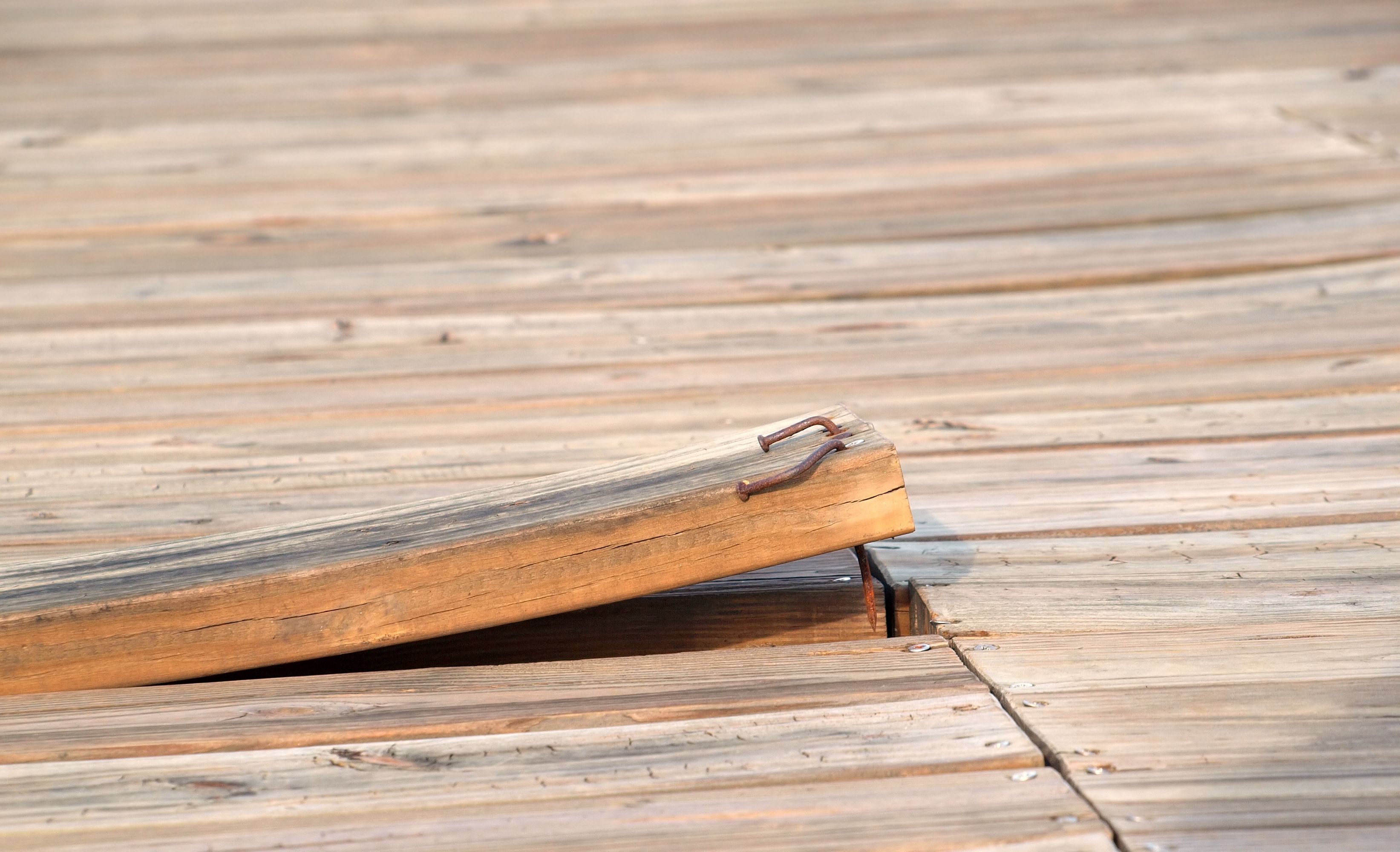
Visible Surface Damage
One of the most obvious signs that your deck needs resurfacing is visible surface damage. This can include cracks, splinters, and warping of the wood. Over time, seasonal changes and exposure to moisture can cause these issues, compromising both the appearance and safety of your deck.
Cracks and Splinters
Cracks and splinters are not only unsightly but can also be dangerous, posing a risk of injury to bare feet or pets. If you notice these issues, it's a clear indication that resurfacing is needed to restore the safety and comfort of your deck.
Fading and Discoloration
Another sign that it's time to consider resurfacing is fading or discoloration of the deck's surface. UV rays from the sun can cause the wood to lose its vibrant color, resulting in a dull and washed-out appearance. Regular maintenance can help prolong the life of your deck, but eventually, resurfacing will be necessary to bring back its original beauty.
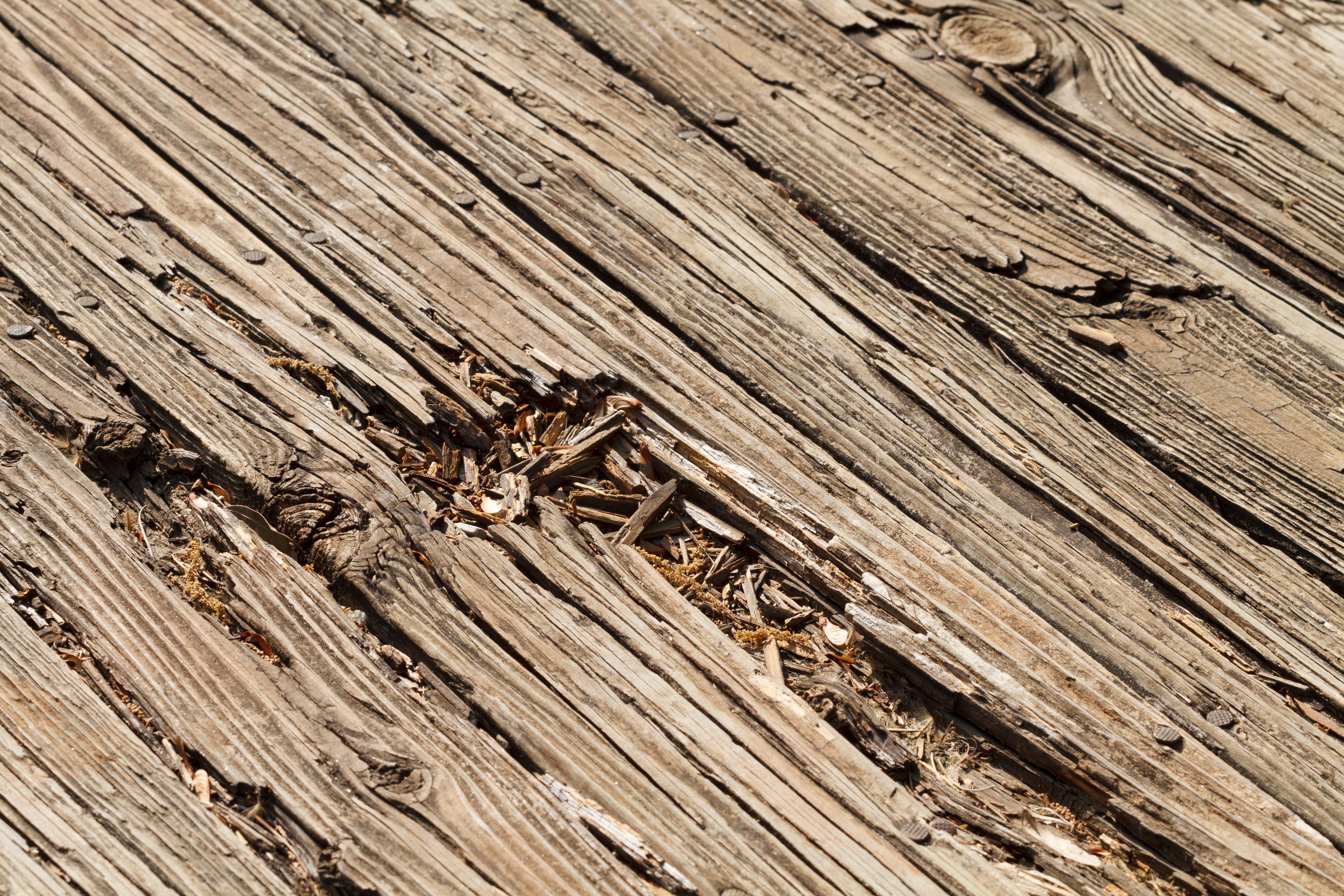
Water Absorption
If water no longer beads up on the surface of your deck and instead absorbs quickly into the wood, this is a strong indication that the protective sealant has worn off. This can lead to further damage such as rot or mold growth if not addressed promptly.
Structural Concerns
Beyond surface aesthetics, structural integrity is another critical factor. Wobbly railings, loose boards, or a sagging structure may indicate underlying issues with your deck's foundation or framing. Resurfacing can address minor concerns, but significant structural problems may require more extensive repairs.
Loose or Rusted Fasteners
Loose or rusted nails and screws can compromise the deck's overall stability. Replacing these fasteners during resurfacing helps ensure that your deck remains safe for use.
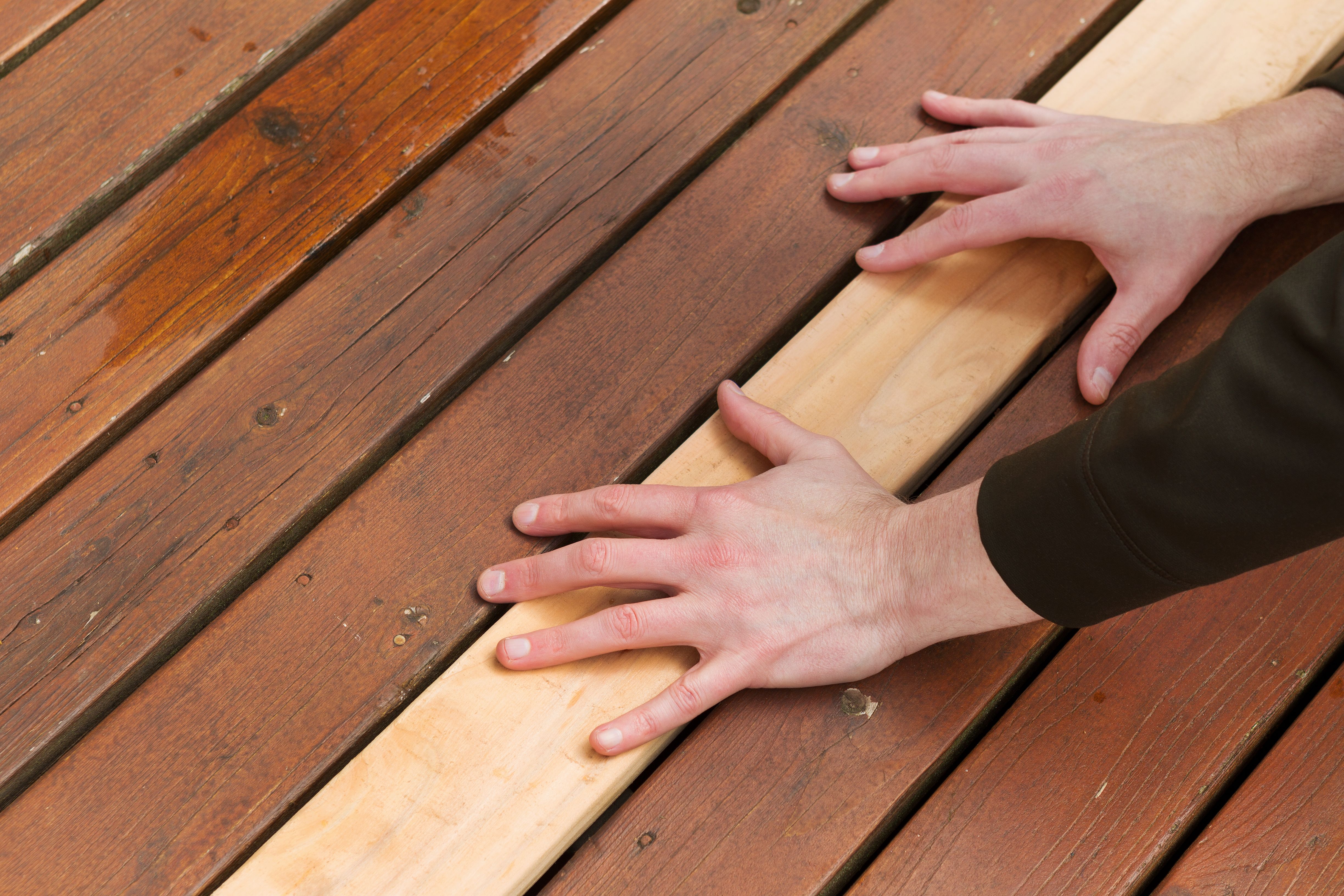
Mold and Mildew
Mold and mildew are not just unsightly; they can also make your deck slippery and unsafe. If you notice green or black spots on your deck, it's time to take action. Resurfacing not only eliminates existing mold but also helps prevent future growth by applying a fresh protective sealant.